
ACA Marketplace Shutdown Impact Indiana: Families’ Health Dreams in Jeopardy
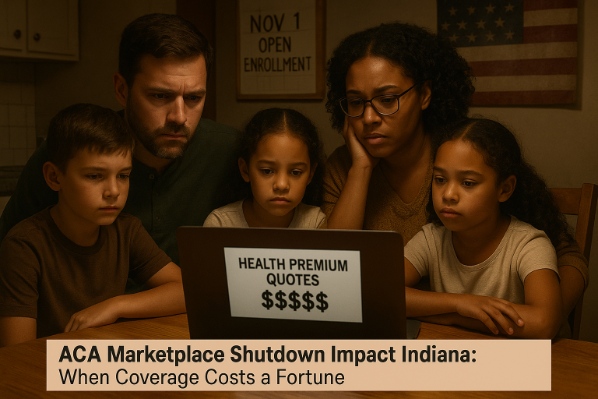
Open enrollment kicks off November 1, 2025, but for over 300,000 Hoosiers, the ACA marketplace shutdown impact Indiana feels like a gut punch. Picture Michelle Higgs, a self-employed mom in Indianapolis, logging into Healthcare.gov only to see her family’s premium balloon from $300 to $2,000 monthly without enhanced subsidies. “The reality is…we’re not going to be able to afford that,” she says, her voice heavy with the weight of impossible choices.
As the U.S. government shutdown stretches toward its record as the longest in history, Congress’s failure to extend Biden-era Affordable Care Act subsidies threatens to unravel coverage for families, small business owners, and nonprofits alike. This isn’t abstract policy—it’s the quiet terror of medical debt or skipped care, hitting Indiana’s heartland hardest amid rising health costs.
The Human Toll: Heartbreaking Stories from the ACA Marketplace Shutdown Impact Indiana
Behind the headlines, real lives hang in the balance. For families like the Higgses—self-employed barbers, Uber drivers, or gig workers—the ACA marketplace shutdown impact Indiana means rationing doctor visits or dipping into savings for basics. Michelle’s husband, battling chronic conditions, faces delayed treatments; their kids’ checkups? On hold.
Tracey Hutchings-Goetz of Hoosier Action, a nonprofit aiding the underserved, shares the ripple: “Nobody feels safe right now from escalating health care costs.” Her group got a quote for a 50% premium hike, forcing staff to brace for pay cuts or worse. In rural spots like Daviess County, hospital CEO Justin Harris warns: “If you don’t have insurance, we don’t get paid.” Uninsured patients flood ERs, straining thin margins and threatening closures.
Communities of color and low-income Hoosiers, who lean on the marketplace most, feel the squeeze deepest. One young dad in Evansville shared anonymously: “One accident, and we’re bankrupt for life.” The shutdown’s food stamp shortfalls compound it—furloughed feds and families turn to pantries at record rates, per USDA reports.
Rural Realities: Hospitals on the Brink Amid ACA Marketplace Crisis
In Indiana’s countryside, where Medicaid and Medicare reimbursements already lag private pay, the ACA marketplace shutdown impact Indiana could shutter doors. Harris adds: “If the government is unable to reimburse us at some rate that is affordable, then it’s hard for us to continue operations.” The One Big Beautiful Bill Act’s looming Medicaid cuts? A double blow to specialized care.
Facts and Figures: The Stark Numbers Behind ACA Marketplace Shutdown Impact Indiana
Data lays bare the crisis. Indiana’s ACA marketplace serves a lifeline, but subsidies’ expiration could shatter it.
| Key Metric | Details |
|---|---|
| Hoosier Enrollees | 300,000+ on ACA marketplace plans |
| Premium Spike Without Subsidies | 82% higher payments for qualifying families (vs. last year) |
| Uninsured Projection | 1/5 of enrollees (60,000+) could go uninsured by 2034; Indiana in top 13 states for losses |
| 2026 Rate Hike | Average 26% increase approved—steepest nationally since 2018 |
| Insurer Profit Drop | 2024 net income plunged due to medical costs, GLP-1 drugs, higher utilization |
| Shutdown Length | Nearing longest in U.S. history; ties subsidies to funding bill |
| Broader Ripple | Employer plans face hikes; food stamps underfunded for November |
These figures, from state regulators and federal forecasts, spotlight urgency: Insurers baked non-extension into 2026 rates, anticipating mass drop-offs to protect profits.
Broader Context: Why ACA Marketplace Shutdown Impact Indiana Echoes National Woes
This standoff isn’t isolated—it’s a flashpoint in America’s $4 trillion health riddle, as IU economist Kosali Simon calls it: “What’s the tradeoff? What else is it that society might not get?” Democrats tie subsidies to shutdown end; Republicans decry fraud and demand separate votes, despite most enrollees in red districts.
Historically, pre-ACA Indiana saw uninsured rates soar 20%; subsidies slashed them by half. Now, climate of distrust—fueled by 2024’s insurer losses—drives hikes. Equity gaps widen: Rural hospitals, serving subsidy-reliant patients, teeter as reimbursements lag. Nationally, expiration could spike premiums for all, passing costs to employers and workers.
It’s a mirror to systemic flaws: Why chase “who pays” when “why so expensive” begs answers? From GLP-1 booms to profit chases, the debate demands depth.
What Lies Ahead: Paths to Resilience Beyond ACA Marketplace Shutdown Impact Indiana
Glimmers of hope pierce the gloom. Congress could bundle subsidies in a clean funding bill, unlocking open enrollment relief by mid-November. Advocates push for Medicaid tweaks to catch fallers, while states like Indiana eye rate reviews to curb 26% jumps.
Experts like Simon urge holistic fixes: Curb drug costs, boost prevention. Hoosiers adapt—community health fairs, nonprofit navigators guide enrollment. Globally, models like Canada’s single-payer offer lessons in stability, but bipartisan will here could stabilize: “We’re not asking to gouge the government… just break-even,” Harris pleads.
For families, it’s action time: Check Healthcare.gov now, explore catastrophic options, or qualify for Medicaid via income tweaks. Resilience? In Hoosier grit, turning fear to advocacy.
Policy Pivots: Fighting Fraud Without Forfeiting Care
Bipartisan fraud probes could pair with extensions, ensuring subsidies serve the needy, not the schemers—safeguarding Indiana’s safety net.
A Lifeline at Stake: Reflections on ACA Marketplace Shutdown Impact Indiana
As November 1 dawns, Hoosiers like Michelle Higgs hover over portals, hearts pounding at the ACA marketplace shutdown impact Indiana. This crisis strips bare our shared fragility—health as the thread binding dreams to reality. Yet in the Higgses’ resolve, Harris’s pleas, and Simon’s big questions, we find fuel for fight. Congress, hear the human hum: Extend subsidies, end the shutdown, honor the marketplace’s promise. For 300,000 souls, it’s not policy—it’s possibility.