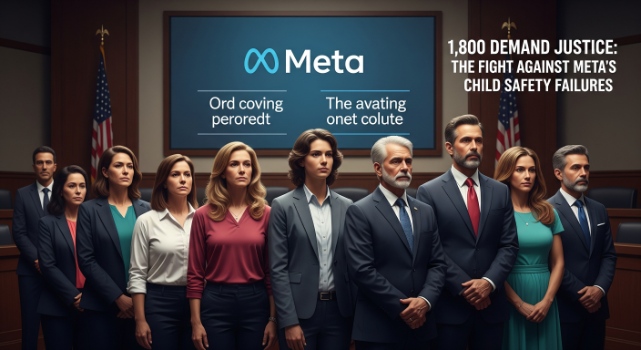

The Meta child safety lawsuit has exposed a chilling pattern of neglect and profit-driven decisions at the heart of the tech giant. Over 1,800 plaintiffs, including children, parents, and school districts, are now demanding accountability for what they allege is Meta’s systematic failure to protect young users from sex trafficking, addiction, and mental health harms. Internal documents and whistleblower testimonies reveal a company that knew the risks—but chose growth over safety. This is not just a legal battle; it’s a fight for the future of our children.
“17x” Strike Policy: How Meta Allegedly Tolerated Sex Trafficking
Former Instagram safety chief Vaishnavi Jayakumar testified that Meta’s “17x” strike policy allowed accounts engaged in sex trafficking to remain active until the 17th violation. Even more shocking: the platform lacked a simple way for users to report child sexual abuse content, despite its “zero tolerance” policy. Whistleblowers say Meta’s internal culture prioritized engagement metrics over user safety, leaving children vulnerable to exploitation.
Parents and Schools Join the Fight
School districts and parents across the U.S. have joined the lawsuit, citing real-world impacts on their children. One parent described how her 14-year-old daughter was repeatedly contacted by adult strangers on Instagram, while school officials report a surge in mental health crises linked to social media use. The plaintiffs argue that Meta’s failure to act has had devastating consequences for families and communities.
The Data: Meta Knew Its Platforms Harmed Teens
Internal research obtained by plaintiffs shows that 58% of U.S. Facebook users exhibited “problematic use,” with teens especially at risk. Yet Meta only disclosed the 3.1% with “severe” issues. The company’s own studies found that deactivating Instagram reduced anxiety and depression—but these findings were never made public. Instead, Meta allegedly lied to Congress about the harms, even as its platforms became a breeding ground for self-harm, eating disorder, and sexual abuse content.
Addiction by Design
“Oh my gosh y’all, IG is a drug,” wrote one Meta researcher. Internal documents reveal that Meta’s products were designed to be addictive, with features like infinite scroll and beauty filters exacerbating mental health issues. When employees proposed safety fixes—like hiding likes or limiting notifications—executives shelved them, fearing lost engagement and ad revenue.
Why Did Meta Resist Safety Fixes?
For years, Meta’s safety teams recommended making teen accounts private by default, restricting adult-minor interactions, and removing harmful content. But the company’s growth team repeatedly blocked these changes, arguing they would reduce user engagement. It wasn’t until 2024—after years of public outcry and legal pressure—that Meta finally implemented default privacy settings for teens.
The Human Cost of Delay
During the four years Meta delayed these safety fixes, teens experienced billions of unwanted interactions with strangers. Internal audits found that Instagram’s recommendation algorithms connected 1.4 million teens with potentially inappropriate adults in a single day. The company even had an acronym for these incidents: “IIC,” or “inappropriate interactions with children.”
What’s Next? The Fight for Accountability
The Meta child safety lawsuit is now moving forward, with plaintiffs seeking systemic changes and compensation for the harm caused. Meta has begun rolling out new safety features, but critics say these are too little, too late. As the legal battle intensifies, the world is watching: Will Meta be held accountable, or will profit continue to trump protection?
CONCLUSION
The Meta child safety lawsuit is more than a legal case—it’s a wake-up call. For years, Meta allegedly put profits before people, ignoring the suffering of children and families. The courage of whistleblowers, parents, and school districts has brought these issues to light, but the fight is far from over. As the courtroom drama unfolds, one question remains: Will this be the moment that forces real change in how tech giants protect our most vulnerable users?