
The recent surge in federal enforcement has exposed unsafe immigration tactics that are endangering both public safety and officer lives in Chicago. As Blackhawk helicopters descend on residential neighborhoods and agents utilize controversial methods ranging “from shooting to Slim Jims,” experts are raising alarm bells. This analysis dives into the chaotic reality of recent operations, where the line between law enforcement and recklessness has blurred, leaving communities in fear and legal experts in disbelief.
3,200 Arrests, Thousands Terrified: Chicago Faces Crisis
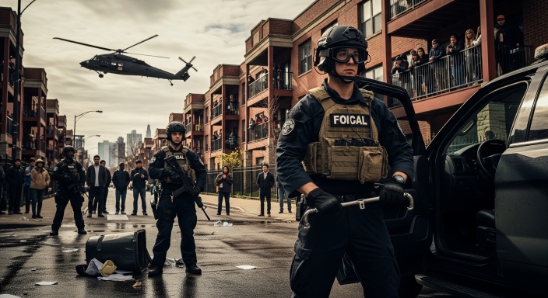
The scale of the crackdown is unprecedented, but it is the deployment of unsafe immigration tactics that has residents reeling. In a city already grappling with trust issues between police and the public, the arrival of federal agents rappelling from helicopters into apartment complexes has shattered any sense of security. Witnesses describe scenes reminiscent of a war zone rather than a domestic policing operation.
Families in Chicago are now grappling with the aftermath of these aggressive maneuvers. The “shock and awe” approach has not only displaced vulnerable individuals but has also traumatized children who watched armed agents storm their communities. These are not isolated incidents; they represent a systemic shift toward militarized enforcement that prioritizes high-visibility suppression over community safety.
Residents Trapped in a Warzone
Specific neighborhoods in Chicago have borne the brunt of this aggression. Residents report agents using “Slim Jims”—tools typically used to unlock cars—to bypass locks on private property without clear warrants. This amateurish yet invasive approach, combined with heavy weaponry, has left families feeling besieged in their own homes, unsure if they are being policed or invaded.
The Scale of Devastation: Reckless Enforcement
The data emerging from these operations paints a disturbing picture of inefficiency and excess. The use of unsafe immigration tactics is not resulting in the capture of dangerous criminals, but rather a dragnet that ensnares the innocent. The statistics are damning:
- 3,200 confirmed arrests in the Chicago area surge alone.
- 70% of those detained had no prior criminal record.
- Blackhawk helicopters deployed for residential raids, a tactic rarely seen in domestic policing.
- Multiple reports of agents using unauthorized lockout tools (“Slim Jims”) to breach vehicles and homes.
This scattergun approach suggests that the objective is volume rather than value. By prioritizing arrest numbers over targeted intelligence, federal agencies are wasting resources and actively destabilizing the communities they claim to protect.
Experts Warn: “Poor Tactics” Endanger Everyone
Legal and policing experts are united in their condemnation of these methods. Seth Stoughton, a law professor at the University of South Carolina and a use-of-force expert, argues that these unsafe immigration tactics are “professionally unjustified.” When agents escalate situations unnecessarily—such as rappelling from aircraft for routine warrants—they introduce needless variables that can lead to tragedy.
This “poor policing” does not just threaten immigrants; it puts the agents themselves in grave danger. Unpredictable entry methods and lack of coordination with local law enforcement create a recipe for friendly fire or violent misunderstandings. Stoughton notes that when agencies encourage bad tactics, they reduce officer safety in ways that simply cannot be defended in a court of law.
Outdated Methods Amplify Crisis
The bizarre juxtaposition of high-tech helicopters and low-tech “Slim Jims” highlights a chaotic operational strategy. Agents are seemingly improvising on the fly, using whatever tools are at hand to bypass constitutional protections. This lack of standardized procedure is a hallmark of unsafe immigration tactics, turning routine enforcement into a liability nightmare.
From Crisis to Accountability: A Legal Reckoning
As the dust settles, the legal fallout is just beginning. Federal judges are already pushing back against the narrative of “necessary force.” In one notable instance, a Chicago federal judge openly rebuked a high-ranking agent for lying about the deployment of chemical irritants against protesters.
This judicial pushback signals that the courts may not tolerate these unsafe immigration tactics indefinitely. Civil rights groups are mobilizing to file lawsuits, arguing that the indiscriminate use of force and warrantless entries violate fundamental rights. The path forward for Chicago requires a dismantling of these militarized strategies and a return to constitutional policing that respects both the law and human dignity.
Conclusion
The revelation of unsafe immigration tactics in Chicago serves as a grim wake-up call for the nation. With over 3,200 arrests and a litany of procedural abuses—from aerial assaults to forced entries—the human cost is undeniable. As experts and judges demand accountability, the hope is that these “needless safety risks” will be replaced by policies that value human life over arrest quotas. The community’s road to recovery will be long, but the demand for justice is louder than ever.