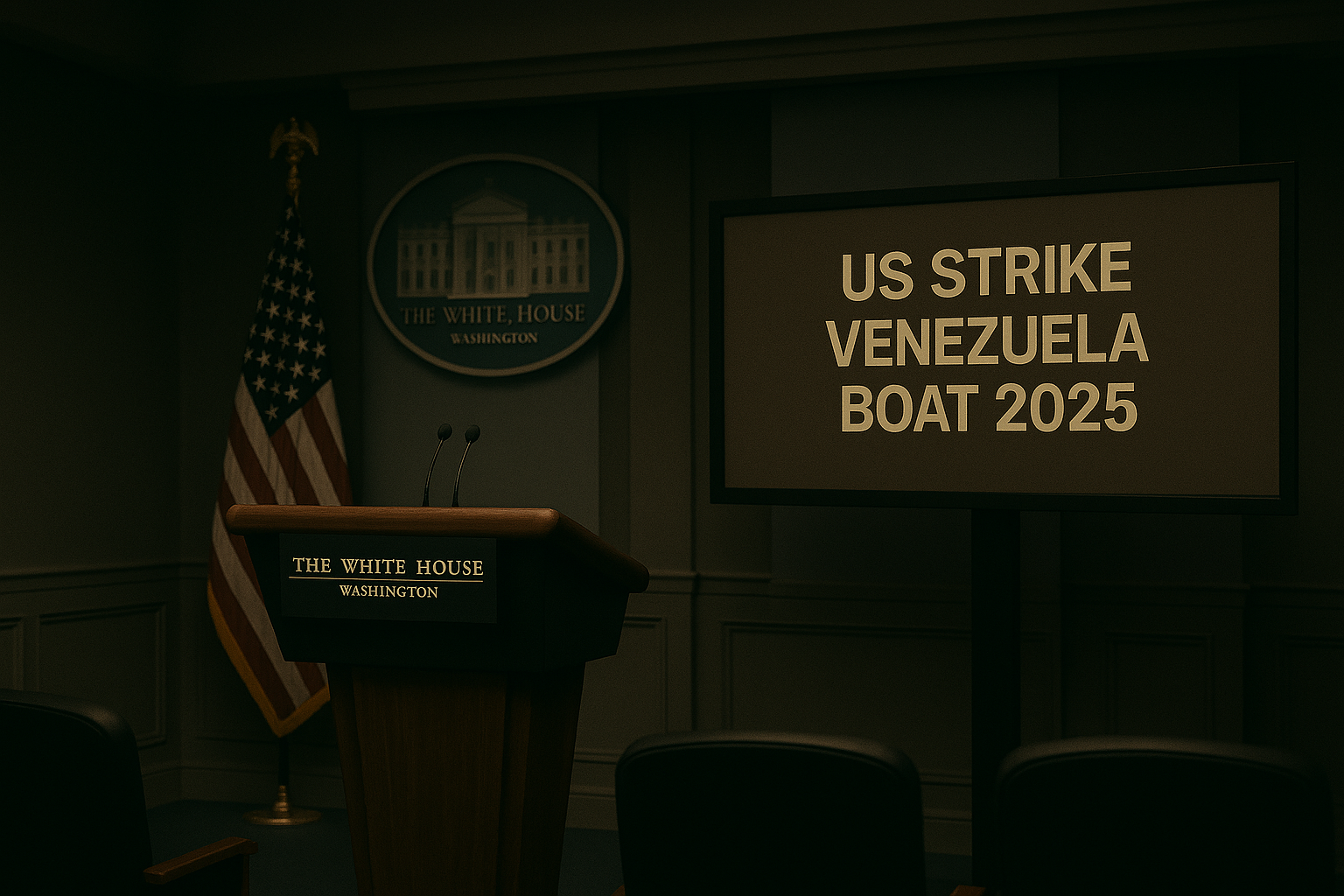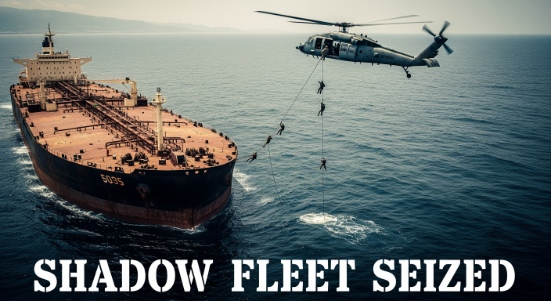
In a dramatic escalation of maritime enforcement, US forces have seized a massive oil tanker off the coast of Venezuela. The operation, which involved commandos fast-roping onto the vessel, targets the “shadow fleet” of ships used by sanctioned regimes to smuggle oil. This bold move sends a clear message that the US Seizes Oil Tanker Venezuela narrative is shifting from economic sanctions to direct physical intervention.
Tensions Rise: Maduro Cries “Piracy” While Opposition Cheers
The raid has triggered a volatile diplomatic standoff. Venezuelan President Nicolás Maduro furiously condemned the action on state television, labeling it an “act of international piracy.” He stated that the crew of the vessel has been “kidnapped” and ushered in a “new era of criminal naval piracy in the Caribbean.”
Conversely, the move was welcomed by Venezuela’s opposition. Maria Corina Machado, a key opposition figure, applauded the seizure, asserting that the revenue from this black market oil is used to “repress and persecute” the Venezuelan people rather than fund hospitals or schools.
The Crew in Limbo
While the political rhetoric heats up, the immediate fate of the crew remains unclear. The US Seizes Oil Tanker Venezuela operation reportedly took place 360 nautical miles northwest of the coast, leaving families and officials scrambling for information on the whereabouts of those onboard the seized vessel.
The Scale of the Haul: 2 Million Barrels
The vessel at the center of this storm is The Skipper, a 332-meter (1,090-feet) behemoth. The data surrounding this seizure reveals the immense value of the illicit trade:
- 2 Million Barrels: The estimated amount of heavy crude oil onboard.
- $15 Discount: The approximate price reduction per barrel for black market Venezuelan oil compared to legitimate crude.
- 30 Tankers: The estimated number of sanctioned vessels currently operating near Venezuela.
- Half the Cargo: Reports suggest roughly 50% of the oil belonged to a Cuban state-run importer.
This massive confiscation represents tens of millions of dollars in lost revenue for the Maduro regime, striking a blow to its financial lifeline.
Inside the “Shadow Fleet”: Deception at Sea
The seizure exposes the sophisticated tactics used by the “shadow fleet”—aging vessels that operate without standard insurance and use technology to vanish. The Skipper was employing “spoofing” techniques, digitally manipulating its tracking signals to appear as if it were off the coast of Guyana, hundreds of miles from its actual location.
Experts from maritime intelligence firm Windward noted the ship was falsely flying a Guyana flag and mimicking legitimate traffic near an Exxon-developed oil field. This level of deception highlights why the US Seizes Oil Tanker Venezuela headline is technically significant; it proves the US can track and intercept these “ghost” ships despite their digital camouflage.
A History of Evasion
The Skipper is no stranger to illicit activities. Previously known as the M/T Adisa, it was sanctioned in 2022 for smuggling oil on behalf of Iran’s Revolutionary Guard. Its recent capture suggests a tightening net around repeat offenders in the global dark shipping industry.
What This Means for Global Oil Markets
Analysts warn that this operation could signal a broader blockade strategy. If the US continues to physically seize vessels, the risk premium for transporting sanctioned oil will skyrocket.
“The cost of doing business with Venezuela just went way up,” noted Claire Jungman of Vortexa. While increased enforcement could disrupt supply, experts like Francisco Monaldi caution that aggressive tactics might spook global traders, potentially causing volatility in oil prices at a time when consumers are already sensitive to inflation.
Conclusion
The operation where the US Seizes Oil Tanker Venezuela marks a pivotal moment in the enforcement of international sanctions. It effectively ends the era where the “shadow fleet” could operate with impunity in the Caribbean. As the Skipper is processed and the diplomatic fallout continues, the world watches to see if this is a one-off raid or the beginning of a systematic naval blockade against illicit oil trade.