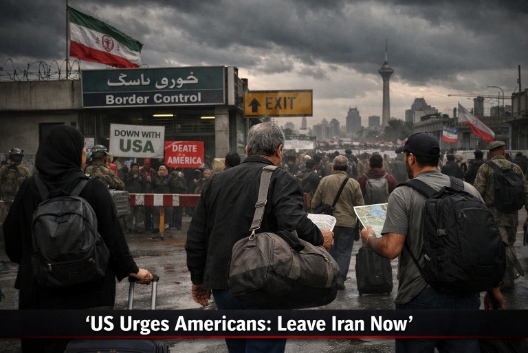

Americans in Iran are under a dire new alert from the US government, urging immediate departure as unrest escalates. The US Virtual Embassy in Iran issued this security warning on February 5, 2026, emphasizing the need for Americans in Iran to leave without delay. Amid anti-regime protests that have already claimed thousands of lives since January, the situation grows more volatile by the day. This isn’t just a travel advisory—it’s a call to action for personal safety. As tensions simmer ahead of nuclear talks, the human cost mounts, leaving families and individuals in precarious positions. Let’s delve into the personal toll this crisis is exacting on those caught in the crossfire.
Thousands Dead: Americans in Iran Grapple With Escalating Crisis
The ongoing turmoil has shattered lives across Iran, with Americans in Iran finding themselves in an increasingly hostile environment. Survivors and expatriates share harrowing accounts of navigating blacked-out communications and restricted movements. One can only imagine the fear of being isolated without reliable internet, forcing reliance on outdated methods like landlines or in-person contacts. Communities in Tehran, where protests erupted on January 9, 2026, have seen families torn apart by violence.
Protesters, many young and driven by desperation for change, face brutal crackdowns, indirectly endangering foreigners like Americans in Iran. The emotional weight is palpable—parents worrying about their children’s safety, professionals abandoning careers mid-stride. This crisis isn’t abstract; it’s about real people making split-second decisions to flee or hunker down. As one anonymous US citizen reportedly shared in online forums before outages, the atmosphere feels like a powder keg, with every demonstration risking escalation.
Tehran Residents Most Vulnerable
In Tehran and surrounding areas, the brunt of the unrest falls heavily on locals and visitors alike. Children and the elderly among protesting families suffer disproportionately, with reports of medical access hindered by chaos. Americans in Iran must contend with these same vulnerabilities, amplifying the urgency of the US warning.
The Scale of Devastation: Thousands Lives Lost in Iran Protests
The crisis in Iran has reached catastrophic proportions, with the US warning highlighting the dire statistics behind the unrest. Anti-regime protests, sparking in January 2026, have resulted in thousands of deaths, marking one of the deadliest periods in recent Iranian history. The US Virtual Embassy’s alert on February 5 underscores the scale:
- Thousands confirmed dead from protest-related violence across multiple cities.
- Widespread internet outages expected to continue, disrupting daily life and emergency communications.
- No specific economic loss figures, but the human toll includes mass arrests and injuries.
- Upcoming nuclear discussions in Oman adding geopolitical tension.
These numbers paint a grim picture, overwhelming Iran’s infrastructure and security apparatus. For Americans in Iran, this data isn’t just stats—it’s a stark reminder of the unpredictable environment where peaceful days can turn chaotic overnight.
Climate of Tension: Iran’s Protests Expose Deep Vulnerabilities
Iran’s current upheaval isn’t isolated; it stems from deep-seated issues amplified by recent events. Historical comparisons draw parallels to past uprisings, but this wave, fueled by economic grievances and calls for regime change, feels more intense. Experts point to the fingerprints of broader geopolitical strains, including US-Iran relations strained by nuclear program debates set for Oman this week.
Secondary factors like US travel advisory updates reflect ongoing monitoring of Iran protests and evacuation warnings. Infrastructure, already strained, buckles under protest demands, with internet outages in Iran becoming a tool for control. This exposes vulnerabilities in urban centers like Tehran, where rapid population growth meets outdated systems. Climate change isn’t directly cited, but recurring instability suggests a pattern that could normalize such crises without intervention.
Government Suppression Amplifies Risks
Outdated communication networks and heavy-handed responses to demonstrations heighten dangers. Deforestation of civil liberties through shutdowns blocks information flow, leaving Americans in Iran isolated and at greater risk during evacuations.
Recovery and Resilience: Urgent Calls for Americans in Iran to Evacuate
As the crisis unfolds, government responses include pledges for stability, but for Americans in Iran, the focus shifts to self-reliant escape. The US advisory stresses independent plans, recommending land routes to Armenia or Türkiye for those able to travel safely. International aid trickles in through diplomatic channels, with nuclear talks potentially offering a de-escalation path.
Communities show resilience, with local networks aiding departures despite challenges. Long-term strategies involve bolstering personal preparedness and advocating for policy shifts to prevent future isolations. Stories of successful evacuations inspire hope, reminding us that proactive steps can turn peril into safety.
The plight of Americans in Iran serves as a poignant reminder of how global tensions ripple into individual lives. With thousands already lost to protests, this urgent warning underscores the fragility of safety abroad. As nuclear talks loom, the world watches, hoping for de-escalation. Yet, the call remains clear: prioritize evacuation now. Stay informed, support affected communities, and recognize that awareness can spark change in even the most turbulent times.