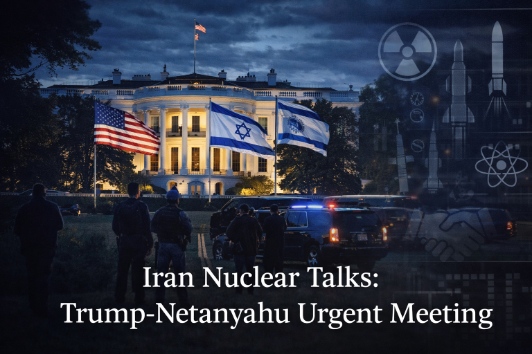

Iran nuclear talks have reached a critical juncture with President Donald Trump expressing optimism that Tehran seeks a deal, while Israeli Prime Minister Benjamin Netanyahu urges broader negotiations during his upcoming White House visit. Fresh indirect discussions in Oman signal cautious hope, yet warnings of “steep consequences” loom if diplomacy fails. The Iran nuclear talks follow last year’s devastating 12-day war that damaged Iran’s facilities, heightening fears of escalation. This high-stakes diplomacy pits U.S. deal-making against Israel’s security demands, transitioning to the profound human toll on civilians in a volatile region scarred by conflict and mistrust.
Lives in Limbo: Iran Nuclear Talks Heighten Regional Fears
The Iran nuclear talks stir deep anxiety across the Middle East, where communities still reel from the June war’s nearly 1,000 Iranian and 40 Israeli deaths. Families in Tehran and border areas live under the shadow of potential renewed strikes, with U.S. military buildups—including aircraft carriers—evoking memories of devastation. Protests in Iran, once brutally suppressed, add layers of vulnerability for ordinary citizens caught between regime hardliners and external pressures. This diplomatic push offers a fragile path to de-escalation, yet Netanyahu’s insistence on curbing missiles and proxies amplifies concerns that failed talks could plunge the region back into violence, shattering hopes for stability.
Post-War Trauma Lingers for Civilians
The 12-day conflict left lasting scars, with damaged infrastructure and restricted IAEA access fueling uncertainty. Residents near nuclear sites face health fears and economic hardship, underscoring how geopolitical maneuvers directly impact everyday lives.
The Scale of Tensions: Key Developments in Iran Nuclear Talks
The Iran nuclear talks reveal a mix of optimism and brinkmanship:
- Indirect U.S.-Iran discussions held Friday in Oman, described as “very good” by Trump, with more rounds planned.
- Trump warns consequences “very steep” if no deal; references past U.S. strikes that “took out” Iran’s nuclear capabilities.
- Netanyahu to present Israel’s “principles” Wednesday at White House, pushing limits on missiles, enrichment, and militant support.
- Iran insists on uranium enrichment rights for any sanctions relief; Foreign Minister notes mistrust as major hurdle.
- U.S. bolsters regional forces with carriers and defenses amid threats of further action. These elements highlight the fragile balance between negotiation and potential military escalation.
From War to Diplomacy: What Drives the Iran Nuclear Talks Crisis
The Iran nuclear talks expose deep-seated vulnerabilities after the June war’s U.S.-backed strikes on facilities, halting enrichment (per Iranian claims) yet sparking satellite-detected activity concerns. Historical parallels to the scrapped 2015 deal, which Trump exited with Israeli backing, show recurring policy failures in containing proliferation. Iran’s refusal of full inspections since 2018, combined with ballistic missile growth and proxy ties, amplifies Israel’s existential fears. Experts like those from the International Crisis Group warn against open-ended talks, urging firm parameters. This dynamic reflects broader regional instability, where mistrust hinders progress and military options remain on the table, risking wider conflict.
Mistrust Blocks Breakthrough Progress
Iran’s Foreign Minister highlights “serious challenges” from entrenched distrust, while Israel demands comprehensive curbs beyond nuclear limits—complicating U.S. efforts for a swift, focused agreement.
Diplomatic Push Forward: Hope Amid High Stakes in Iran Nuclear Talks
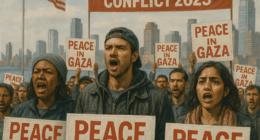
As the Iran nuclear talks advance, the White House meeting between Trump and Netanyahu could shape outcomes, with the new “Board of Peace” potentially expanding to address Iran alongside Gaza. Government responses include U.S. envoy-led optimism and military posturing for leverage, while Arab nations urge restraint to avert destabilization. Long-term strategies focus on verifiable limits, sanctions relief incentives, and regional security frameworks to build resilience. Community advocates in affected areas call for peace, hoping diplomacy prevails over confrontation. This moment offers a chance to pivot from crisis toward sustainable de-escalation.
CONCLUSION – 80-100 words
The Iran nuclear talks stand at a pivotal crossroads, blending cautious hope with alarming risks of renewed conflict. As Trump and Netanyahu align—or diverge—on demands, the fate of millions hangs in the balance amid memories of last year’s war. This diplomatic effort underscores the urgent need for genuine compromise to prevent catastrophe. Moving forward, sustained pressure and realistic concessions could foster lasting security. The world watches closely: success here might ease tensions, but failure risks escalation. Awareness and support for peaceful resolution remain essential to safeguarding the region’s future.